
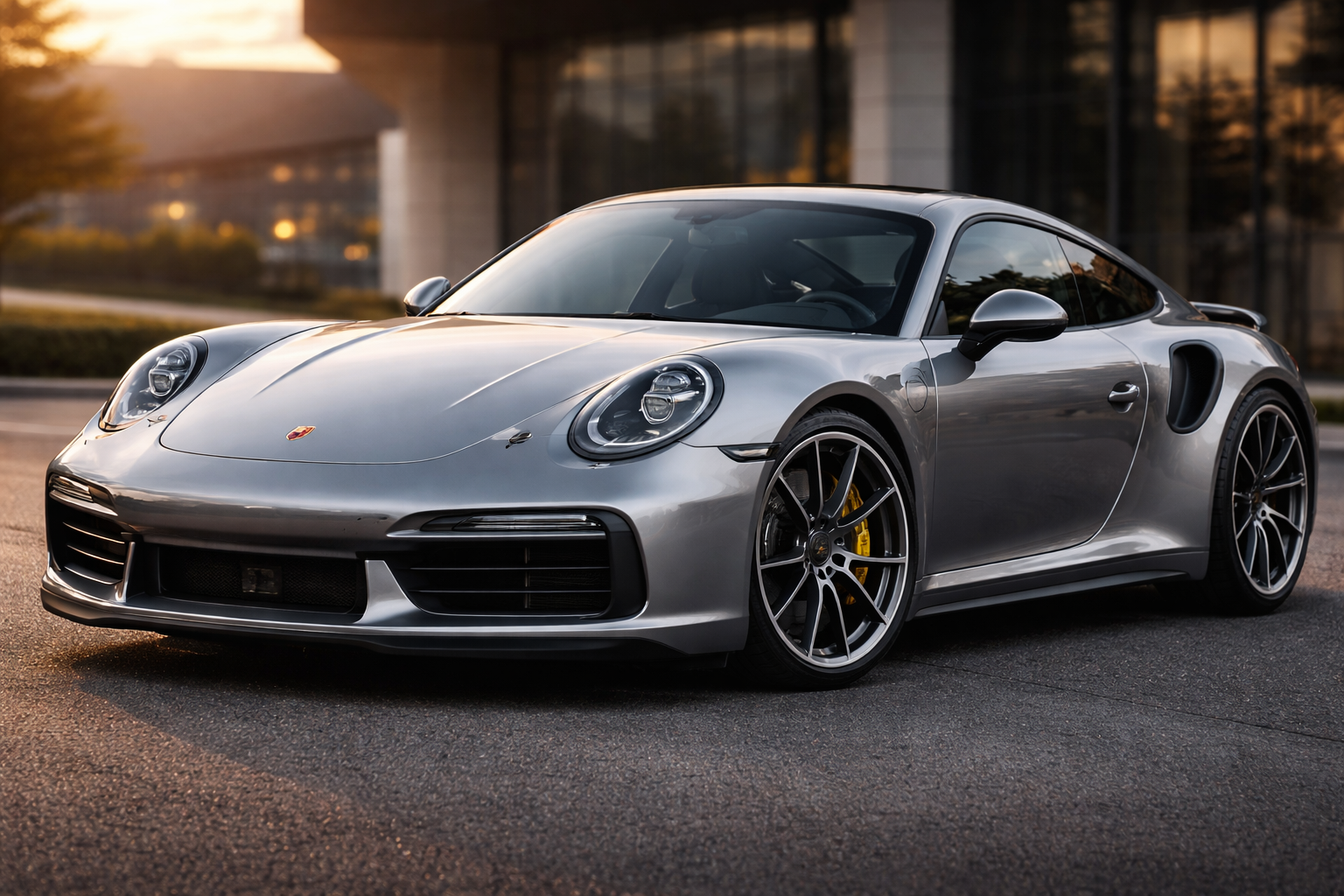
Porsche’s global deliveries fell sharply in the first quarter, underlining the pressure facing premium carmakers as softer demand in China and the US collides with an uneven transition to electric vehicles and product changeovers across key markets.
The sports-car maker handed over 60,991 vehicles in the first three months of the year, down 15% from the same period a year earlier.
The decline was driven largely by weaker sales in China and North America, while Germany was the only major market to record growth.
The figures offer an early test of how Porsche is navigating a tougher environment for luxury auto demand.
They also highlight the difficulty of managing a product transition at the same time as competition intensifies, especially in China, where local brands are pushing harder on price and technology.
China and US remain weak
China, long one of Porsche’s most important growth engines, posted the steepest decline, with deliveries down 21%.
The company pointed to a persistently challenging market environment, with intensifying competition from domestic carmakers weighing on demand.
That pressure has become a broader theme for foreign premium brands operating in China.
Buyers are increasingly comparing established luxury marques with local rivals that are moving faster on electric drivetrains, connectivity and in-car technology.
North America, another crucial market for Porsche, saw deliveries fall 11%.
The company said part of that decline reflected the discontinuation of US tax incentives for electric and hybrid vehicles, which had previously supported demand across parts of the premium EV segment.
The shift leaves Porsche more exposed to a price-sensitive and competitive environment just as it adjusts its own electric rollout.
Model changes add to disruption
Some of the weakness was also tied to product timing.
In Europe outside Germany, deliveries fell 18%, partly reflecting a strong comparison base from a year earlier and changes in the product cycle.
Porsche also highlighted the impact of ending production of the combustion-engined 718 models, which weighed on volumes.
That underscores a recurring challenge for carmakers in transition: phasing out older models can create a temporary gap before replacement vehicles gain traction, particularly when customers are weighing whether to stick with petrol engines, move to hybrids or wait for newer EV offerings.
The rollout of newer electric models, including the Macan, is adding to that complexity as Porsche balances demand across powertrains while managing supply and timing effects.
Strategy reset comes under scrutiny
The first-quarter numbers also land at a sensitive moment for Porsche’s broader strategy.
The company has already softened its earlier push towards a faster all-electric transition, shifting back towards a more balanced mix of combustion-engine, hybrid and electric models.
That recalibration reflects both market conditions and shifting demand patterns.
Electric vehicle demand has been less consistent than expected in some regions, while high-end buyers have remained open to petrol-powered and hybrid options.
New Chief Executive Michael Leiters has been tasked with improving execution, tightening costs and steering the product strategy through this transition phase.
His challenge is not simply to stabilise volumes, but to protect Porsche’s pricing power and brand strength as the model mix evolves.
Sales board member Matthias Becker described the start to the year as overall in line with expectations.
Even so, the regional breakdown suggests Porsche still has work to do before it can claim momentum has turned.
Germany’s 4% rise offered some encouragement, but it was not enough to offset the weakness elsewhere.
For now, Porsche’s first-quarter data tell a clear story: the company remains a key profit driver within the Volkswagen group, but it is operating in a much tougher market than the one that fuelled its earlier growth.
Until China stabilises, the US becomes more predictable and the product cycle gains traction, delivery trends are likely to remain under pressure.
The post Porsche deliveries plunge 15% as China weakness hits luxury demand appeared first on Invezz