
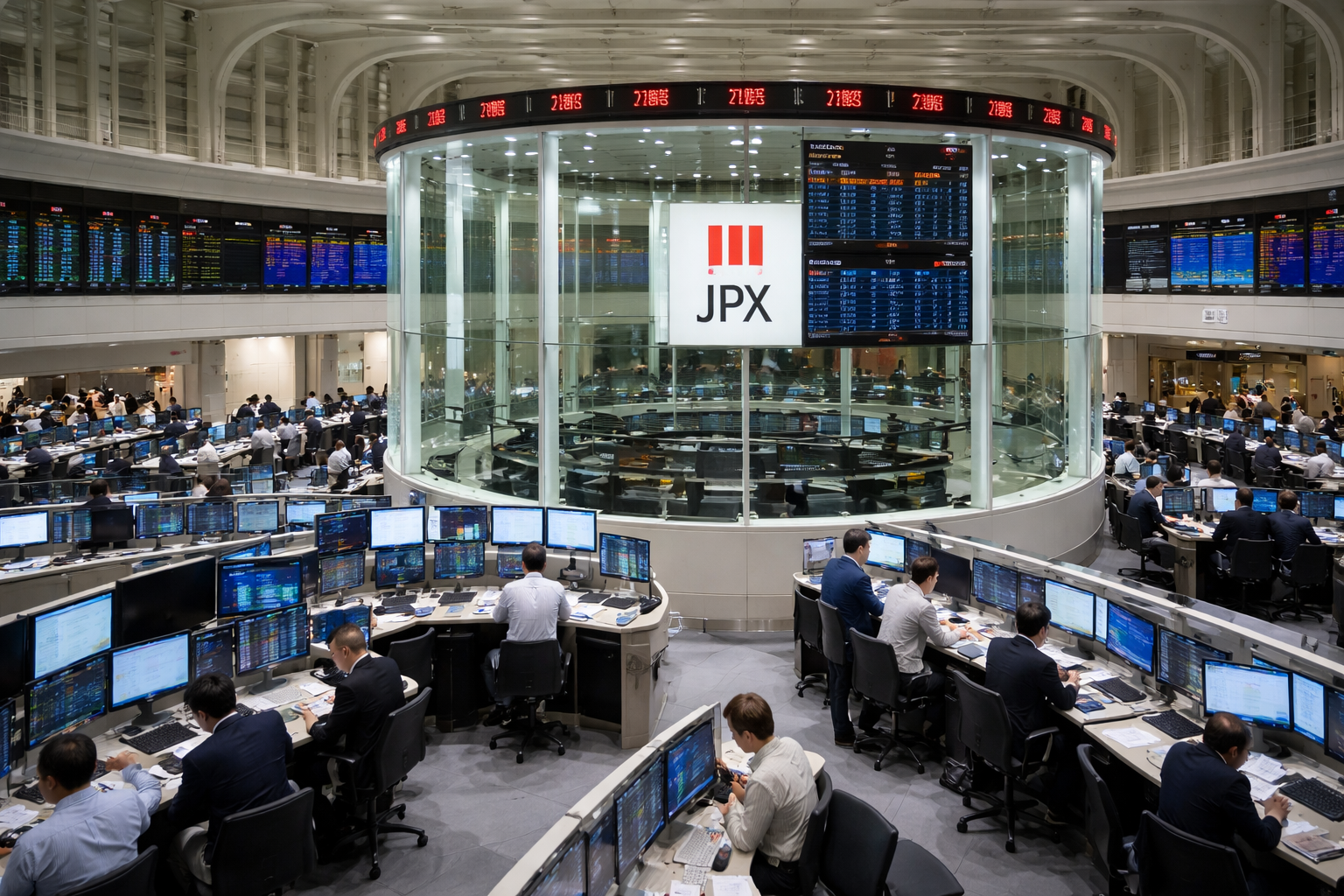
The Nikkei 225 Index pulled back by over 0.80% on Friday, April 17, as the recent rally took a breather. It also retreated after the IMF pushed the Bank of Japan (BoJ) to hike interest rates, and as the war risk remained. It dropped to ¥58,930, a few points below the all-time high of ¥59,600.
This article explores why the Nikkei Index is falling and what to expect in the coming weeks or months as technicals send mixed signals.
Nikkei 225 falls amid profit-taking as energy prices remain elevated
One main reason why Japan stocks are dropping is that investors are simply taking a breather after the recent rally. It is common for an asset to pull back even when it is in a strong bull market.
In this case, there is a risk that the Iran war may continue despite Donald Trump’s statement that talks were going on well. Iran has warned that it may seek to block the Red Sea, a move that would raise tensions.
At the same time, the Strait of Hormuz is still closed, a situation that worsened this week when the US announced a blockade in the Strait of Hormuz. This blockade means that the amount of oil moving to Japan has reduced substantially in the past few days.
Japan and other Asian countries are highly exposed to the ongoing Iran war because of the vast amount of crude oil that they import from the Gulf.
IMF asks BoJ to hike interest rates
The Nikkei 225 Index is also falling as chances that the Bank of Japan (BoJ) will hike interest rates rise. In a statement this week, the International Monetary Fund (IMF) said that the bank can still increase interest rates. It also expects that inflation will move towards the bank’s target in the end of next year. An IMF official said:
“In Japan, the policy rate is projected to gradually rise, at a slightly steeper clip than thought in October 2025, toward a neutral setting of about 1.5%.”
The BoJ has been moderately hawkish than other central banks as it moved interest rates up several times. Rates now stand at 0.75%, the highest point in over three decades, and analysts anticipate another hike in April.
Historically, the stock market tends to lag when a central bank is hiking interest rates as this tends to boost the short-term government bond yields.
Nikkei 225 has pulled back after hitting key resistance
NI225 Index chart | Source: TradingView
Meanwhile, the Nikkei 225 Index is also falling as it jumped to a crucial resistance level. It moved to the key resistance level at ¥59,297, which coincided with the highest point in February.
A closer look shows that the index has formed two potential patterns. On the positive side, it has formed a cup-and-handle pattern, which is made up of a rounded bottom and some consolidation. In most cases, this pattern normally leads to more gains.
On the other hand, this could be a double-top pattern, which is characterized by two up swings and a neckline, which, in this case, is at 80,430 its lowest level in March this year. As such, if this is a double-top, it means that it may soon pull back.
The same is true even when this is a cup-and-handle pattern. After completing the cup section, the index may retreat as it forms the handle section.
A complete surge above the key resistance level at 60,000 will point to more gains as it will invalidate the double-top pattern.
The post Nikkei 225 Index slips after hitting key price: here’s why and what next appeared first on Invezz